Effective Home Organization and Decluttering Tips for Seniors
Jan 03, 2024
Minnesota - Twin Cities Metro Area

Email US
Click to Email Us
Decluttering, an essential aspect of home organization, becomes increasingly significant as we age. As you grow older, an organized home can become more important for other reasons such as downsizing, reducing trip hazards, as well as health conditions. It’s not just about cleanliness; it’s about creating a safe, stress-free environment conducive to a serene lifestyle for seniors.
In this article, we’ll be exploring why it’s best to keep on top of organization in your space, and sharing some practical decluttering tips to help fast track your way to an organized home!
Why is Decluttering Crucial for Seniors?
We’ve all lived exciting and full lives in our own ways. Decluttering allows you to not only find what’s important, souvenirs from old adventures, or mementos from when your children were small, it also allows space to properly display them.
Mental Clarity and Reduced Anxiety: The saying ‘tidy space,
tidy mind’, is more true that you might realize! Psychologists have found that
having a decluttered, organized space helps reduce stress and anxiety, and
promotes a peaceful mind.
Physical Activity: So long as it doesn’t involve moving
heavy furniture, organizing and decluttering is great gentle exercise. As you
age, getting out and about can become more challenging, so finding ways to keep
fit and active in the comfort of home is often helpful.
Cherishing Memories: Decluttering allows you to not only
find what’s important, souvenirs from old adventures, or mementos from when
your children were small, it also allows space to properly display them, giving
you far more joy and satisfaction in your space as a whole.
Practical Decluttering Tips & Strategies
One Area at a Time: When decluttering and organizing your
space at any age, it is very important to avoid taking on more than you can
handle. A gung-ho attitude is great, but you may run out of steam halfway
through a space, leaving it looking more disorganized than before!
Safety First: As a senior, it is important to focus first on
any potential safety hazards your clutter may have made. Make sure stairs and
walkways are clear to reduce the risk of trips or falls. Make sure you have
clear access to doors and windows in case of emergency, and that none of your
electrical products are worse for wear, particularly around the wiring or
cords.
Seek Assistance: Don’t be afraid to ask for help! If you’re
not as mobile as you once were, or you’re finding things a bit too heavy for
you to lift, then ask a friend, family member, or even a neighbor to help you.
Going through old things can be a great bonding experience, particularly with a
child or grandchild, and they may even find things of yours that you no longer
need useful to them, taking a chunk of the clutter off your hands!
Personalized Approach: Tailor your decluttering method to
suit your lifestyle and preferences. Focus on creating a functional space that
makes daily life easier and more enjoyable.
When it comes to your later years, what you need is an easy life, after working a full career, or raising kids, or living life to the fullest, you deserve to relax! By following these decluttering tips, you can create a space that is not only safe and organized but also a true reflection of the life you’ve lived.
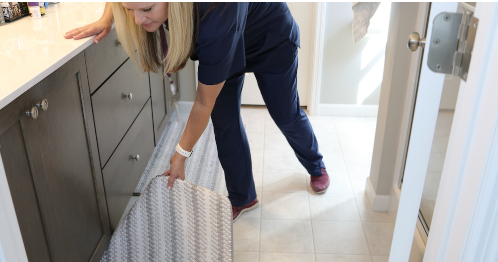
- To view the original version of this article visit careaparent.com/effective-home-organization-and-decluttering-tips-for-seniors/
- Seniors Blue Book was not involved in the creation of this content.
Other Articles You May Like
Downsizing and Relocation in Mobile
Downsizing and Relocation in Mobile, ALOpening a closet filled with decades of belongings can bring back countless memories. There might be photographs from family vacations, holiday decorations passed down through generations, or furniture that has been part of the household for years.For many older adults in Mobile, Alabama, deciding what to keep when moving into a smaller home can be one of life's more emotional challenges.Downsizing is not simply about getting rid of possessions. It involves making thoughtful decisions about what remains useful, what carries personal meaning, and what will fit comfortably into the next living space.Whether a senior is moving into independent living, assisted living, a smaller residence, or a home closer to family, the process often requires careful organization and planning.Transition Solutions, a locally owned moving and storage company based in Mobile, helps older adults and their families manage downsizing and relocation through packing, moving, storage, organizing, and home setup services.For families throughout Mobile County, understanding how professional downsizing assistance works can make the transition more manageable while respecting the older adult's preferences.What Are Downsizing and Relocation Services?Downsizing and relocation services help individuals reduce, organize, and move household belongings when transitioning into a different living arrangement.Unlike a traditional move, downsizing usually involves making decisions about possessions before transportation begins.The goal is to create a living space that meets the person's current needs without feeling unnecessarily crowded or unfamiliar.What Does Downsizing Typically Involve?Depending on individual circumstances, the process may include:Reviewing household belongingsIdentifying essential furnitureMeasuring the new living spaceSorting items into practical categoriesPacking important possessionsCoordinating donations or other disposition arrangementsIdentifying items requiring storageTransporting furniture and boxesUnpacking and organizing belongingsArranging furniture in the new residenceNot every family requires all these services.Some older adults prefer to manage most decisions independently while hiring professionals for packing and transportation.Others need more comprehensive assistance because of mobility limitations, family schedules, or the size of the household.Why Downsizing Can Be Difficult for Older AdultsA longtime home represents more than a collection of household items.It may be where children were raised, relatives gathered for celebrations, or important milestones occurred.Moving away from that environment can bring feelings of sadness, uncertainty, relief, or excitement.Emotional Attachments to PossessionsAn item that appears ordinary to someone else may hold considerable personal meaning.A dining table might represent decades of family meals.A box of letters may contain memories of a spouse or parent.These attachments deserve respect.Families should avoid making assumptions about which items are important.Physical ChallengesSorting and packing may require bending, lifting, reaching, and standing for extended periods.Older adults living with arthritis, chronic pain, or reduced mobility may find these tasks particularly demanding.Professional assistance can help reduce the physical workload.Decision FatigueDownsizing requires making many decisions.When people must decide what to keep, donate, sell, store, or discard repeatedly, the process can become exhausting.Breaking the work into manageable sessions can help.Different Family OpinionsRelatives may disagree about furniture, sentimental belongings, or what the new residence should contain.A clear decision-making process can prevent unnecessary conflict.Whenever possible, the older adult should remain the primary decision-maker regarding personal possessions.Transition Solutions in Mobile, AlabamaTransition Solutions provides professional moving, downsizing, storage, and relocation assistance for individuals and families throughout the Mobile area.The company is locally owned and focuses on helping customers manage important household transitions.Its published services include senior moving, organizing and downsizing assistance, professional packing, transportation, storage, warehousing, unpacking, and decorating or setting up a new residence.This combination of services can be particularly useful when an older adult is moving from a larger home into senior housing.Personalized Downsizing AssistanceEvery household contains different possessions and priorities.Some seniors have lived in the same home for several decades.Others may need to reduce belongings after retirement or a change in housing circumstances.Transition Solutions helps families approach these situations through personalized relocation planning.The process may involve reviewing the moving destination, identifying belongings that will fit, and organizing the remaining items according to the family's preferences.A clear plan can help prevent last-minute decisions.Professional Packing ServicesPacking can become especially challenging when a household contains fragile or valuable possessions.Transition Solutions offers packing assistance and moving supplies.Professional packing may be useful for items such as:GlasswareArtworkFamily photographsDecorative collectionsSmall household appliancesFurnitureElectronicsOther belongings requiring careful handlingFamilies should identify any high-value or irreplaceable items and discuss packing methods and liability coverage before the move.Local and Long-Distance RelocationTransition Solutions provides local and long-distance moving services.Its Seniors Blue Book profile identifies the company as licensed for interstate moving within the contiguous United States and insured, including coverage for customer cargo.Families should verify current licensing, insurance terms, and availability when requesting a quote.Relocation services may be especially helpful when an older adult is moving closer to family members living outside Mobile County.Storage and Warehousing SolutionsOne of the most difficult downsizing decisions involves possessions that will not fit in the new home but are not ready to be discarded.Transition Solutions offers self-storage and warehousing services.The company's published information describes a storage network with more than 1,500 units across four facilities.Self-StorageSelf-storage may be appropriate for families who prefer to manage access to their belongings.Items can remain stored while family members decide what to do with them.Company-Managed WarehousingWarehousing arrangements may be useful when families want assistance handling the logistics of storing, retrieving, or delivering possessions.The exact services, access procedures, and fees should be confirmed directly.Unpacking and New-Home SetupArriving at a new residence does not automatically mean the relocation is complete.Boxes still need to be unpacked, furniture arranged, and familiar belongings placed where they can be accessed safely.Transition Solutions advertises decorating and home setup assistance.These services can help families create an organized living space while preserving familiar elements of the previous home.Contact Transition SolutionsTransition SolutionsLocation: Mobile, AlabamaPhone: 251-377-9048Website: https://transitionsolutionsmobile.com/Families can contact the company to discuss their downsizing goals, moving schedules, storage needs, and available services.Why Downsizing Matters in Mobile CountyMobile County has a significant older adult population.According to U.S. Census Bureau QuickFacts, approximately 19.3% of Mobile County residents are age 65 or older.As households move through retirement and later stages of life, housing preferences and practical needs may change.Some people want to reduce home maintenance responsibilities.Others may need an accessible living arrangement or prefer to reside closer to relatives.Downsizing can support these changes when the new residence fits the person's needs.Smaller Homes May Be Easier to MaintainLarge homes often require regular cleaning, repairs, yard work, and maintenance.A smaller residence may reduce some of these responsibilities.However, downsizing should not be viewed as the best choice for everyone.The decision depends on personal preferences, finances, accessibility, and available support.Housing Transitions Can Involve Several CommunitiesMobile County includes Mobile, Saraland, Semmes, Prichard, Tillman's Corner, and other surrounding communities.Some residents move within the county, while others relocate to nearby Baldwin County or elsewhere along the Gulf Coast.Families should account for transportation distances, service availability, and moving schedules when planning.Gulf Coast Weather Can Affect Moving PlansMobile's coastal location makes seasonal weather an important consideration.Heavy rain and tropical weather can affect transportation and loading schedules.Families should discuss how weather-related delays are handled and whether alternative dates are available.Planning ahead may help protect belongings and reduce disruption.When Should Someone Consider Downsizing?Downsizing is a personal decision, but several circumstances may prompt a conversation.The Home Has Become Difficult to MaintainAn older adult may struggle with cleaning, yard work, stairs, or household repairs.A smaller living space may be more practical.Most Rooms Are No Longer UsedSome seniors remain in large family homes after adult children have moved away.Reducing unused space may simplify household responsibilities.Retirement Has Changed Financial PrioritiesProperty taxes, utilities, maintenance, and other housing expenses can affect retirement budgets.Families may want to compare the full cost of remaining in the current home with alternative housing arrangements.A qualified financial or real estate professional can help with the financial comparison.Accessibility Needs Have ChangedMobility limitations may make stairs, bathrooms, or narrow pathways more challenging.A different residence or appropriate home modifications may improve accessibility.Moving Closer to Family Is a PrioritySome older adults choose to relocate near adult children or other relatives.Downsizing can make the move easier when the destination has less space.How to Downsize Without Feeling OverwhelmedThe most effective approach is usually to begin early and work through one manageable area at a time.Step 1: Understand the New SpaceBefore deciding which furniture to keep, obtain the floor plan of the destination.Measure major furniture and consider available closets, cabinets, and storage areas.This can prevent transporting items that will not fit.Step 2: Begin With Less Emotional AreasStart with a linen closet, laundry area, or storage cabinet.These spaces may contain items that are easier to sort.Leave emotionally significant collections until the family has established a comfortable process.Step 3: Create Practical Sorting CategoriesA useful system may include:Keep and moveGive to familyDonateSellStoreRecycle or dispose of appropriatelyClearly labeled areas can help prevent confusion.Step 4: Work in Short SessionsSorting an entire home in a weekend may be physically and emotionally exhausting.Shorter sessions allow time for rest and thoughtful decisions.Step 5: Prioritize Daily EssentialsIdentify items used regularly.These may include clothing, kitchen equipment, bedding, medical supplies, and favorite furniture.Step 6: Make a Plan for Sentimental BelongingsNot every cherished possession must be discarded.Some items may be stored, photographed, passed to relatives with permission, or incorporated into the new home.The Four-Category Method for Difficult DecisionsFamilies sometimes struggle to choose what should happen to individual belongings.A simple four-category approach can help.KeepItems that are useful, meaningful, and appropriate for the new residence belong in this category.ShareBelongings that family members or friends would genuinely value may be transferred with the owner's permission.StoreCertain possessions may need to remain available while decisions are postponed.Storage can be useful, but families should consider ongoing costs.ReleaseItems that are no longer needed may be donated, sold, recycled, or discarded responsibly.The goal is not to remove as much as possible.It is to create a comfortable living arrangement that reflects the older adult's needs and preferences.What Should Never Be Packed Away Without a Plan?Some belongings should remain accessible during relocation.Important DocumentsThese may include:IdentificationInsurance informationMedical recordsLegal documentsFinancial paperworkEmergency contactsStore sensitive documents securely and keep them with an authorized person.Medications and Medical SuppliesPrescription medications, necessary equipment, and other medical essentials should remain accessible throughout the move.Valuables and Irreplaceable ItemsJewelry, important family documents, and certain keepsakes may require separate handling.Everyday EssentialsPrepare a personal bag containing clothing, hygiene products, chargers, glasses, and other necessities.Helping an Aging Parent Downsize RespectfullyAdult children often want to make the process easier for their parents.However, moving too quickly or discarding possessions without permission can create unnecessary distress.Ask Before Making DecisionsEven when an item appears unimportant, ask the older adult what it means to them.Listen to StoriesSorting possessions may bring back memories.Allowing time for these conversations can make the experience more positive.Avoid PressureNot every decision needs to be made immediately.When possible, establish reasonable deadlines while leaving room for difficult choices.Respect Personal PreferencesA smaller home should still reflect the person living there.The objective is not to create a perfect-looking space at the expense of comfort or identity.Creating a Safe and Comfortable New HomeAfter downsizing, the next priority is arranging the new residence.Keep Walking Paths ClearFurniture placement should allow safe movement, especially for someone using a cane, walker, or wheelchair.Place Frequently Used Items Within ReachEveryday belongings should be easy to access without excessive reaching or climbing.Recreate Familiar SpacesA favorite chair, family photographs, familiar bedding, or cherished decorations may help the new residence feel welcoming.Prioritize the Bedroom and BathroomThese spaces should be functional and accessible from the beginning.Avoid Excessive ClutterLeaving adequate space around furniture can improve comfort and movement.An occupational therapist or other qualified professional can provide individualized accessibility recommendations when needed.Common Downsizing Mistakes Families Can AvoidEven well-intentioned families can create additional work by making decisions too quickly.Waiting Until the Final WeekRushed sorting often leads to unnecessary stress and misplaced items.Moving Everything Before MeasuringFurniture may not fit through doorways or into the new residence.Renting Storage Without a Long-Term PlanStorage can be useful, but costs may accumulate.Families should periodically review what remains in storage.Forgetting Important DocumentsLegal, financial, and medical records should be organized before moving day.Making Decisions Without the Older AdultWhenever possible, the person moving should remain involved in decisions about personal belongings.Underestimating Packing TimeA home containing decades of possessions may require more preparation than expected.Professional assistance can help families develop a realistic schedule.Expert Tip for Families Planning to DownsizeExpert Tip: Start by measuring the new residence and identifying the furniture that will fit comfortably. Then build the downsizing plan around that space. This approach reduces unnecessary packing and helps ensure the new home remains functional rather than overcrowded.How to Get Started With Downsizing and Relocation in MobileStep 1: Identify the Reason for MovingDetermine whether the goal is reduced maintenance, accessibility, senior housing, or proximity to family.Step 2: Review the New ResidenceObtain room measurements and identify available storage.Step 3: Create a Household InventoryList major furniture, essential belongings, and items requiring special handling.Step 4: Contact Transition SolutionsCall 251-377-9048 to discuss downsizing, packing, moving, and storage needs.Step 5: Request a Written EstimateClarify which services are included, any additional fees, and relevant insurance provisions.Step 6: Establish a Sorting ScheduleBreak the process into manageable sessions.Step 7: Confirm the Moving ArrangementsReview transportation, storage, unpacking, and destination access before moving day.Step 8: Prepare the New HomePrioritize furniture placement, essential belongings, and safe walking paths.Frequently Asked Questions About Downsizing and Relocation1. When should seniors begin downsizing?Beginning several weeks or months before a planned move can reduce pressure. The appropriate timeline depends on the size of the home, number of belongings, and moving deadline.2. Does Transition Solutions help with downsizing before a move?Yes. Its Seniors Blue Book listing describes assistance with prioritizing, decluttering, and deciding which belongings should move into a new residence.3. Can families store furniture instead of getting rid of it?Yes. Transition Solutions offers self-storage and warehousing options. Families should review current availability, fees, and storage terms before making arrangements.4. How can adult children help a parent who does not want to part with belongings?Begin with respectful conversations and ask which possessions are meaningful. Avoid making decisions without permission, and consider shorter sorting sessions to reduce stress.5. Does Transition Solutions help arrange belongings in the new home?The company advertises decorating and new-home setup assistance, including furniture arrangement and displaying personal items. Families should confirm the services included in their agreement.A Smaller Home Can Still Hold a Lifetime of MemoriesDownsizing does not mean letting go of everything that makes a home meaningful.It is an opportunity to identify what matters most, organize possessions thoughtfully, and create a living space that fits changing needs.For many older adults, the most successful transition is one that balances practicality with personal comfort.Professional downsizing assistance can help families manage difficult tasks while preserving the older adult's independence and involvement.Transition Solutions provides moving, downsizing, storage, and home setup services for families in Mobile County and surrounding Gulf Coast communities.Whether you are preparing for independent living, assisted living, a smaller home, or relocation closer to family, beginning the process early can help make important decisions more manageable.Contact Transition Solutions to discuss your downsizing goals and explore a personalized relocation plan.Featured Seniors Blue Book ListingTransition SolutionsCategory: Downsizing and RelocationLocation: Mobile, Mobile County, AlabamaPhone: 251-377-9048Services: Downsizing assistance, household organization, senior moving, professional packing, transportation, self-storage, warehousing, unpacking, and new-home setup.Find Transition Solutions on Seniors Blue BookPreparing to downsize or relocate in Mobile County?Explore Transition Solutions and learn about available downsizing, moving, and storage services through its SeniorsBlueBook.com listing.Connect with the company to discuss household organization, relocation planning, storage options, and support for setting up a new residence.
Downsizing and Relocation in Mobile, AL
A smaller home can be easier to manage, but deciding what to take may feel anything but simple. Furniture has to fit, belongings carry memories, and family members may disagree about what should be kept. Meanwhile, there is still a move date to coordinate and a new space to prepare.Downsizing and relocation services in Mobile, AL, can help families organize the work involved in a senior move. Transition Solutions is a local moving and storage business with published senior transition services. Understanding the scope of the proposed work can help you decide what to delegate and what the family will handle.What downsizing and relocation support includesDownsizing involves choosing belongings for a smaller or more manageable space. Relocation includes the planning and physical work of moving between homes. Depending on the provider and agreement, assistance may range from sorting and packing to transportation, storage, and setup.For an older adult moving into senior housing, the project also involves coordination with the destination. The new community may have rules about deliveries, furniture placement, access, and move-in timing. A written plan helps connect those requirements with the familys decisions.Keep the older adult involvedBegin with the person whose belongings are being moved. Ask which items are essential for comfort and daily use, which have special meaning, and which decisions need more time.Avoid starting with the most emotionally difficult collection. Begin with a manageable category and agree on a way to record decisions. Clear labels for moving, family, and storage are useful only when everyone understands what those labels mean. Transition Solutions in MobilePhone: 251-377-9048 Begin with a clear scope of workTell the team where the move begins, where it ends, and which dates are fixed. Explain the homes size, stairs, access limitations, and any unusually large or fragile items.Ask for a written description of the work. Does the quote include sorting assistance, all packing, unpacking, removal of packing materials, or only selected tasks? If someone else will handle donation or disposal, identify that responsibility before the final week.Questions for the planning conversation include:Which tasks are included and excluded?Who will supervise the project and communicate with the family?How are changes to the inventory or schedule priced?What protection applies to belongings, and how are claims handled?What must be ready before the crew arrives?Plan around the destination floor planObtain accurate room dimensions and confirm the placement of doors, closets, and windows. Measure furniture before deciding what will move. Include the space needed for ordinary activities, walking routes, and any mobility equipment.Ask the receiving community about permitted delivery hours, elevator reservations, loading areas, and wall-hanging rules. Share those instructions with the moving team so the estimate and schedule reflect the actual destination.A beloved chair or small table may fit the new routine better than a larger piece that is difficult to use. Help the older adult make choices around comfort and function as well as sentiment.Give stored items a future planStorage can provide time to decide, but it creates an ongoing responsibility. Ask about the proposed storage arrangement, access, retrieval procedures, fees, and protection for stored goods.Make an inventory before boxes leave the home. Identify who can authorize access or delivery and how the family will find an item later. If company-managed warehousing is proposed, ask how retrieval differs from visiting a self-storage unit.Set a review date for belongings placed in storage. Without one, a temporary arrangement can become an expense that continues simply because no one has revisited the decision.Protect the first few days after arrivalKeep personal documents, medicines, keys, chargers, and essential daily items with the older adult or designated family member. Ask the mover which items it cannot transport and how those items should be handled.Prepare a simple arrival kit with clothing, toiletries, important contacts, and items needed before every box is unpacked. If new-home setup is included, identify the first priorities, such as making the bed and placing everyday belongings within reach.Confirm who checks the final inventory and reports missing or damaged items. Follow the companys written procedures and deadlines rather than waiting until the entire home is unpacked.Why downsizing and relocation matters locally in MobileA move within Mobile may still involve different building layouts, parking arrangements, and delivery restrictions. A move to or from another community adds travel and scheduling considerations. Confirm the exact service area and route with Transition Solutions before making plans.Families helping from outside the area should choose one authorized contact for decisions. A shared inventory and written schedule can reduce conflicting instructions from relatives who are not present for packing or delivery.Weather can affect moving plans on the Gulf Coast. Ask how the company handles delays and rescheduling, and keep essential belongings accessible if the arrival date changes.How to get started1. Identify the destination, preferred dates, and the older adults priorities.2. Call Transition Solutions at 251-377-9048 to discuss the project.3. Request an assessment and written service proposal.4. Review furniture dimensions, building rules, and the inventory.5. Agree on packing, transportation, storage, setup, and family responsibilities.6. Confirm the schedule, payment terms, and arrival checklist before moving day.Practical tip: Photograph the arrangement of a favorite shelf or bedside area before packing. Ask whether familiar elements can be recreated within the new homes space and rules. Related categoriesSenior Transition ServicesMoving Services Housing Placement and Resource Specialists
Buying a Retirement Home in Ocean County, NJ
Buying a Retirement Home in Ocean County, NJ: The Costs and Questions Buyers Shouldn't OverlookA home that looks perfect during a showing may tell only part of the story. The kitchen is updated, the neighborhood feels welcoming, and the location seems ideal. But what will the property cost to maintain? How much will insurance be? Are there community fees or restrictions? And will the home still suit the buyer's needs several years from now?These questions are particularly important for adults over 50 who are planning retirement, relocating to the Jersey Shore, or choosing a home they hope to keep for many years.Ocean County offers a range of residential settings, from Long Beach Island's coastal communities to mainland neighborhoods in Manahawkin, Stafford Township, Barnegat, and Waretown. Each property and location has its own financial and practical considerations.Carol Grinbaum, Realtor with Better Homes and Gardens Real Estate Murphy & Co., can be a starting point for buyers researching local properties and planning a real estate move.Look Beyond the Asking PriceThe purchase price is only one part of the cost of owning a home.Before deciding what you can afford, estimate the complete monthly and annual expenses associated with each property.Property taxesProperty taxes can vary substantially by municipality and individual property. Review the current tax bill, but do not assume that a previous owner's bill will remain unchanged indefinitely.Buyers should confirm current figures and ask appropriate local or tax professionals about any relevant exemptions, credits, or relief programs for which they may qualify.Homeowners and flood insuranceInsurance deserves particular attention in coastal New Jersey.Depending on the property's location and characteristics, buyers may need to consider homeowners insurance, flood insurance, wind-related coverage, deductibles, and exclusions.A property near the water is not automatically subject to identical insurance requirements as every other coastal home. Request property-specific quotes and confirm applicable lender requirements before making a final financial commitment.Utilities and maintenanceA smaller home may reduce some expenses, but costs depend on insulation, heating and cooling systems, roof condition, appliances, and other factors.Ask about the age and condition of major systems. An inspection can help identify issues that may require near-term repairs.Association fees and special assessmentsCondominiums and some planned communities charge monthly or annual fees. These may cover certain exterior maintenance, amenities, or shared expenses.Review the governing documents, budget, reserve information, restrictions, and any disclosed assessments. Understand exactly what the fee covers and what remains the homeowner's responsibility.Coastal Properties Require Property-Specific Due DiligenceLong Beach Island offers a distinctive coastal environment, but buyers should consider the realities of owning property in a barrier-island setting.Flood exposure, elevation, drainage, storm preparation, and insurance costs can all affect the suitability and long-term expense of a home.Before purchasing, ask questions such as: Is the property in a mapped flood zone? What flood insurance would be available and at what cost? Is there a known history of flooding or water intrusion? What maintenance has been performed on the roof and exterior? Are there local requirements affecting renovations or additions? What evacuation guidance applies to the location? The answers should be verified through appropriate records, inspections, insurance professionals, and local authorities. A real estate listing alone is not sufficient to assess these risks.Buyers considering Manahawkin or other mainland communities should also evaluate the individual property's drainage, condition, and insurance requirements rather than assuming every inland location has the same risk profile.Choose a Layout That Can Adapt Over TimeFor many adults over 50, the right home is one that works today and remains practical if needs change.A single-level floor plan may be appealing because bedrooms, bathrooms, and living areas can be accessible without stairs. A two-story home may still be an excellent choice if the layout, location, and buyer's preferences make it suitable.Consider the following features: A full bathroom and bedroom on the main level. A manageable entrance and convenient parking. Adequate lighting and clear pathways. Bathroom space that could accommodate future modifications. Laundry facilities that are easy to access. Storage that meets actual needs without adding excessive upkeep. Buyers should not assume a property is accessible simply because it is marketed as a ranch or one-story home. Entry steps, narrow doorways, bathroom layouts, and other features can still present obstacles.A qualified professional can advise on the feasibility and cost of accessibility improvements.Evaluate the Community, Not Just the HouseDaily life is shaped by the surrounding neighborhood.Before making an offer, consider how often you expect to visit grocery stores, pharmacies, healthcare providers, family members, and recreational destinations.For some people, living close to Long Beach Island is a major priority. Others may prefer a mainland location with easier access to the services they use regularly.Visit at different times of day and, where possible, during different seasons. This can reveal differences in traffic, parking, noise, and the general atmosphere.If you're considering an adult community, ask about age requirements, guest policies, amenities, fees, and restrictions. If you expect to travel frequently, clarify any rules or arrangements that could affect how the property is maintained while you are away.How a Realtor Helps Buyers Make Informed DecisionsThe local real estate market can be difficult to evaluate from online listings alone.A Realtor can help identify suitable properties, arrange showings, discuss comparable sales, explain transaction steps, and coordinate questions that arise during an offer and closing.Carol Grinbaum's Seniors Blue Book listing provides a way to explore her real estate services and contact her about buying or selling property in Ocean County.Suggested quote for Carol's approval: Buying a home is about more than finding a property you like. Buyers should understand the full cost of ownership, evaluate the location carefully, and make sure the home fits their plans for the years ahead.A Realtor is one member of the buying team. Buyers may also need a mortgage lender, home inspector, insurance agent, attorney, and tax professional to evaluate issues within their respective areas of expertise.A Practical Pre-Offer ChecklistBefore submitting an offer, make sure you have considered the following: Estimated monthly mortgage payment, if applicable. Current property taxes and potential future changes. Homeowners and flood insurance quotes, as applicable. Inspection findings and likely repair costs. Association fees, rules, and disclosed assessments. Access to shopping, healthcare, family, and transportation. Any accessibility modifications that may be needed. Closing costs, moving expenses, and emergency reserves. The purpose of this checklist is not to make the process intimidating. It is to help buyers compare homes on an equal basis and reduce the risk of unexpected expenses.Frequently Asked QuestionsWhat should retirees budget for besides the purchase price?Consider taxes, insurance, utilities, maintenance, repairs, association fees, closing costs, and moving expenses. Coastal properties may have additional insurance or storm-preparation costs.Is buying a home on Long Beach Island different from buying on the mainland?The basic real estate process is similar, but individual coastal properties may require additional investigation of flood exposure, insurance, storm preparation, and seasonal conditions.Are ranch homes always better for older buyers?Not necessarily. A ranch may reduce the need to use stairs, but accessibility depends on the complete layout and entry. Buyers should consider their personal preferences and future plans.What should I review before buying into an adult community?Review age eligibility, association documents, fees, maintenance responsibilities, amenities, restrictions, reserves, and any disclosed assessments. Ask questions before committing.Can a Realtor estimate my future homeownership costs?A Realtor can help identify common expenses and relevant property information, but exact insurance premiums, tax implications, financing terms, and repair costs should be confirmed with the appropriate professionals.Make Your Next Home a Well-Informed ChoiceA successful home purchase combines lifestyle priorities with realistic financial planning. By evaluating the property, neighborhood, ownership costs, and potential future needs, buyers can make a decision that supports their goals.Visit Carol Grinbaum's Seniors Blue Book listing to learn more about her real estate services and explore buying opportunities in Ocean County, including Manahawkin and the Long Beach Island area. More information: Carol Grinbaum, Realtor Seniors Blue Book Listing
Local Services By This Author

CareAparent
Non-Medical 2042 Wooddale Drive, Ste 200, Woodbury, Minnesota, 55125Comprehensive Home Health and In-Home Care Services from CareAparentCareAparent is a full-service in-home care and home health provider serving individuals and families across the Twin Cities and surrounding communities. For more than 10 years, we have helped people remain safe, independent, and supported in the place they call home by delivering personalized care that blends clinical excellence with genuine compassion.We offer a comprehensive range of services including: personal care, companionship, skilled nursing, medication management, therapy, transportation, hospice support, and veteran services, so families can rely on one trusted partner throughout every stage of care. Our team works closely with clients, families, and healthcare providers to create customized care plans that reflect each persons medical needs, lifestyle, preferences, and goals.At CareAparent, we believe the art of care is about how youre treated. Thats why every interaction is guided by dignity, respect, and empathy. Whether someone needs short-term support after a hospital stay or long-term assistance with daily living, our mission is to make aging at home not only possible, but meaningful.
Careaparent
Hospice 2042 Wooddale Drive, Ste 200, Woodbury, Minnesota, 55125Hospice Support Services from CareAparent Compassionate Care During Lifes Final JourneyHospice services from CareAparent provide compassionate support for individuals facing serious or life-limiting illnesses. These services focus on comfort, dignity, and quality of life, helping patients and their families navigate the final stages of life with the support of experienced caregivers and healthcare professionals. CareAparent works closely with hospice providers to ensure patients receive coordinated care that addresses both medical and emotional needs.Hospice support services are designed to help individuals remain in the comfort of their own home whenever possible. CareAparent caregivers assist patients with daily activities such as bathing, dressing, grooming, mobility support, and meal preparation. These services help maintain personal dignity and comfort while reducing the physical demands placed on family members during a difficult time.In addition to personal care assistance, caregivers provide companionship and emotional support for both patients and their loved ones. Having a compassionate caregiver present can bring reassurance, reduce stress, and help families focus on spending meaningful time together. CareAparent staff understand the sensitivity of end-of-life care and approach each situation with empathy, patience, and respect.CareAparent also collaborates with hospice nurses, physicians, and care teams to support the patients care plan. While hospice organizations provide medical oversight and pain management, CareAparent caregivers help with everyday needs and provide additional support that allows patients to remain comfortable and safe at home.Hospice services are centered on honoring each individuals wishes and maintaining dignity throughout the care journey. Through compassionate care and strong collaboration with hospice providers, CareAparent helps ensure that patients receive comfort-focused care while families receive the guidance and support they need during this important time.

CareAparent
Home Health 2042 Wooddale Drive, Ste 200, Woodbury, Minnesota, 55125Comprehensive Home Health and In-Home Care Services from CareAparentCareAparent is a full-service in-home care and home health provider serving individuals and families across the Twin Cities and surrounding communities. For more than 10 years, we have helped people remain safe, independent, and supported in the place they call home by delivering personalized care that blends clinical excellence with genuine compassion.We offer a comprehensive range of services including: personal care, companionship, skilled nursing, medication management, therapy, transportation, hospice support, and veteran services, so families can rely on one trusted partner throughout every stage of care. Our team works closely with clients, families, and healthcare providers to create customized care plans that reflect each persons medical needs, lifestyle, preferences, and goals.At CareAparent, we believe the art of care is about how youre treated. Thats why every interaction is guided by dignity, respect, and empathy. Whether someone needs short-term support after a hospital stay or long-term assistance with daily living, our mission is to make aging at home not only possible, but meaningful.